Keep a return point before following a footnote
Separate the temporary destination from where main reading should resume.
Before consulting an explanation elsewhere, note where main reading should resume. The last page opened may be a detour. Keep separate destination and return addresses, with a short textual anchor. A jump forward does not prove the intervening pages were read.
What to do
- Before jumping, save the main page and a phrase beside the stopping point.
- Separately record the explanation's section and page as a temporary destination.
- After consulting it, follow the return note and check the surrounding text.
Example
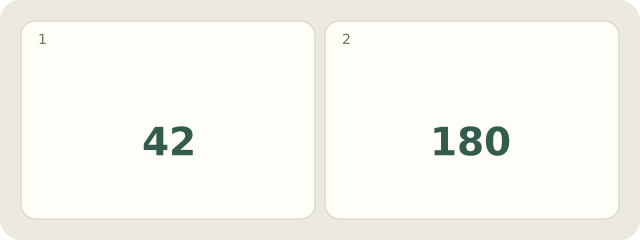
Fictional book: a footnote on page 42 leads to appendix B, page 180. Notes say “return: p.42, after ‘Road to the bridge’” and “check: appendix B, p.180”. Reading then resumes at 42. The jump establishes no reading between those pages.
My Day · Windows
My Day can store both notes manually. You open and inspect the book yourself.